
Why is My Loved One's Dementia Rapidly Getting Worse? Causes & Care
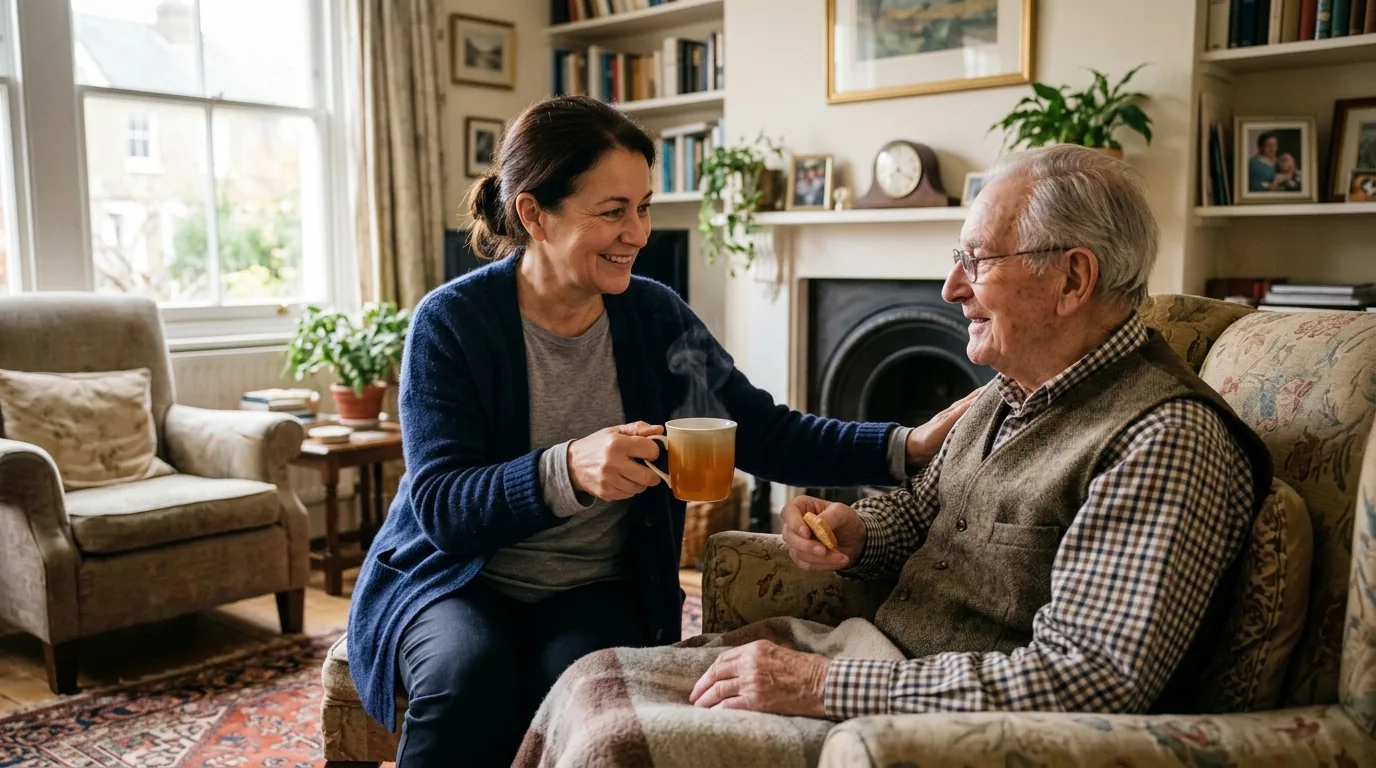
Witnessing a sudden, dramatic decline in a loved one living with dementia is deeply distressing for families. While diseases like Alzheimer’s and vascular dementia are progressive conditions that typically advance slowly over months or years, a sudden deterioration over days or weeks is not the normal trajectory of dementia.
In most instances, rapid cognitive or behavioural decline is a critical warning sign of a secondary, treatable medical issue or environmental stressor. Below, we break down the most common causes of rapid dementia decline, how to identify acute delirium, and the immediate steps you should take to protect your loved one's health and safety at home.
1. Urinary Tract Infections (UTIs) and Sepsis
In older adults, urinary tract infections rarely present with classic symptoms like burning sensations or fever. Instead, a UTI frequently triggers acute, sudden confusion, extreme agitation, vivid hallucinations, or extreme drowsiness—a medical state known as delirium.
Because the infection causes systemic inflammation, it disrupts delicate brain chemistry. If your loved one seems significantly worse overnight, a GP or community nurse should test their urine immediately. In most cases, a prompt course of antibiotics can reverse the confusion and restore your loved one to their baseline cognitive state.
2. Delirium Superimposed on Dementia
Delirium is a state of sudden, intense confusion that develops rapidly (often over hours or days). People living with dementia are up to five times more susceptible to delirium when their bodies experience physical strain. Common triggers include:
- Undiagnosed Infections: Chest infections (such as pneumonia), skin infections (cellulitis), or dental abscesses.
- Severe Constipation or Urinary Retention: Blockages in the bowel or bladder cause severe physical discomfort and distress that can trigger acute cognitive decline.
- Unmanaged Physical Pain: Older adults with advanced dementia may be unable to articulate pain from arthritis, fractures, or internal discomfort, expressing distress through behavioural changes or withdrawal.
- Post-Surgical Trauma: Anaesthesia and hospital environments are well-documented triggers of prolonged post-operative delirium.
3. Dehydration and Nutritional Deficits
Dehydration is one of the most frequent—and easily overlooked—reasons for acute dementia decline. As we age, the brain's thirst sensation diminishes, and older adults often forget to drink or intentionally avoid fluids due to mobility challenges.
Even mild fluid deficits cause electrolyte imbalances that disrupt brain function, causing sudden lethargy, disorientation, and dizziness. (Explore our practical advice on preventing dehydration in older adults to learn daily hydration routines).
4. Medication Side Effects and Polypharmacy
Older individuals often take multiple prescription medications. As liver and kidney function decline with age, drugs remain in the bloodstream longer, increasing the risk of adverse drug interactions.
Medications with "anticholinergic" properties (found in some bladder medications, antihistamines, sedatives, and antidepressants) actively block acetylcholine—a vital neurotransmitter responsible for memory and learning. Always request a comprehensive medication review with your GP or clinical pharmacist if you notice rapid cognitive changes.
5. "Silent" Strokes and Vascular Changes
If your loved one has mixed dementia or vascular dementia, progression often follows a characteristic "step-like" pattern rather than a smooth curve.
A series of micro-strokes (transient ischaemic attacks or TIAs) can occur without obvious facial drooping or slurred speech. However, each minor vascular event destroys a small area of brain tissue, leading to a sudden, step-like drop in cognitive functioning or physical mobility.
Need Specialist Dementia Support in the Comfort of Home?
Managing sudden cognitive decline requires consistent, dedicated attention. Connect directly with fully vetted, self-employed private carers across the UK specializing in condition-led dementia support, respite, and 24/7 live-in care.
👉 Find a Specialist Dementia Carer | 📞 Call 0333 344 0645
6. Environmental Stress, Relocation, and Routine Disruption
A predictable, familiar routine is the bedrock of wellbeing for someone living with dementia. When their surroundings or routine suddenly change, their coping mechanisms can collapse, giving the appearance of rapid disease progression.
- Hospitalisation or Care Home Moves: Clinical environments with unfamiliar noises, bright lights, and rotating shift staff often trigger severe distress and confusion.
- Loss of a Primary Caregiver: When a spouse or regular family caregiver becomes unwell or unavailable, the disruption can accelerate disorientation.
- Sensory Impairments: Dirty eyeglasses, flat hearing aid batteries, or wax build-up can severely disconnect an individual from their surroundings, exacerbating confusion.
When to Seek Immediate Medical Help
You should contact their GP surgery or call 111 promptly if you observe sudden behavioural or cognitive changes. Call 999 immediately if your loved one exhibits:
- Sudden weakness or numbness down one side of their body, facial drooping, or speech difficulties (signs of a major stroke).
- Signs of severe sepsis (shivering, rapid breathing, mottled skin, extreme lethargy, non-responsive).
- A sudden loss of consciousness or severe, sustained seizure activity.
- Suspected head trauma following an unwitnessed fall.
How No1 Healthcare Private Carers Supports Dementia at Home
When dementia symptoms become unpredictable, moving a loved one to an unfamiliar residential facility can worsen cognitive distress. Choosing dedicated specialist dementia home care in the UK ensures your loved one stays safe, reassured, and supported in the home they know and love.
Through No1 Healthcare Private Carers, you connect directly with independent, fully vetted private carers:
- Consistent One-to-One Attention: A familiar, dedicated carer who learns your loved one’s personal routine, spotting early physical infections before they escalate.
- Medication and Hydration Oversight: Diligent tracking of daily fluid intake, nourishing meal prep, and timely prescription prompting.
- Flexible Support Options: From scheduled visiting care and temporary respite care to full-time live-in care, you have total control over your care plan.
Need expert support for your family's care journey?
Call our compassionate care advisors today on 0333 344 0645 or find a vetted private carer in your area.
Frequently Asked Questions About Rapid Dementia Decline
Can dementia decline suddenly overnight?
True dementia progression occurs gradually. If cognitive decline happens suddenly overnight, it is almost always caused by an acute secondary condition, such as a urinary tract infection (UTI), a chest infection, medication side effects, or acute delirium, all of which require urgent medical assessment.
Can treating a UTI reverse sudden dementia confusion?
Yes. In the vast majority of cases, when a UTI is treated promptly with appropriate antibiotics and proper hydration is restored, the acute delirium clears, and the individual returns to their baseline level of cognitive function.
What is the difference between delirium and worsening dementia?
Dementia is a chronic, progressive neurological condition that develops over months or years. Delirium is an acute, fluctuating medical emergency that develops over hours or days, primarily triggered by physical illness, infection, or medication changes, and is largely reversible when treated.
How does a private live-in carer help someone with rapidly progressing dementia?
A private live-in carer provides continuous, one-to-one monitoring in the reassuring comfort of home. They ensure consistent hydration, prepare balanced meals, administer medication on schedule, prevent dangerous wandering or falls, and quickly alert family and healthcare professionals to subtle physical changes.
.png)
.png)
.png)